ENCAPSULATION
Isolate individual cells into Semi-Permeable Capsules.
Application

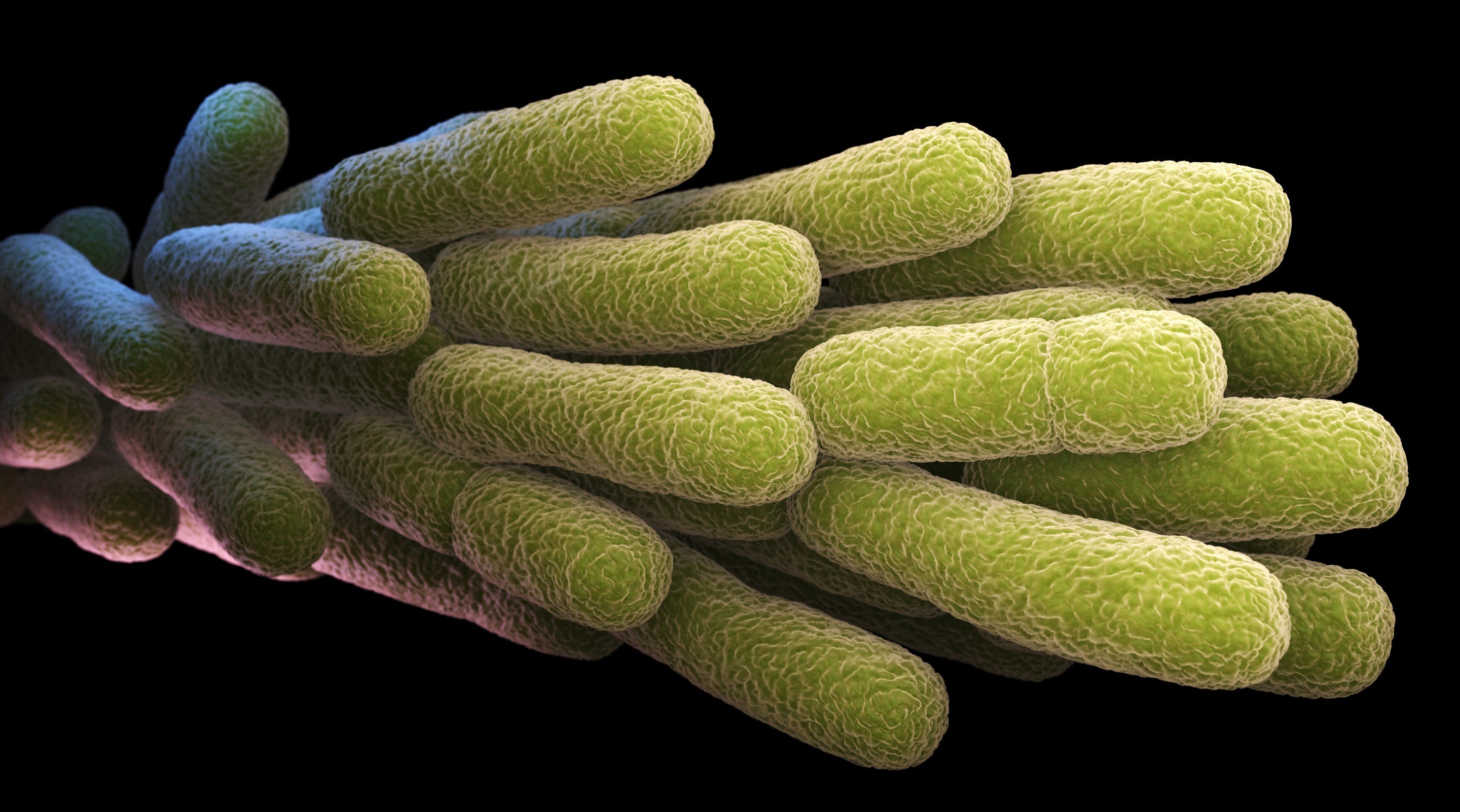
Microbial communities influence critical biological and ecological processes, yet much of their diversity and function remain poorly understood. Methods like 16S rRNA sequencing and shotgun metagenomics provide broad overviews but lack the resolution to characterize individual microbes. High-throughput single-cell microbial genomics bridges this gap, enabling detailed analysis of tens of thousands of cells to uncover their diversity, functions, and evolutionary dynamics.


High-throughput SINGLE-CELL genomics


16S rRNA
sequencing

Shotgun
metagenomics
ENCAPSULATION
Isolate individual cells into Semi-Permeable Capsules.
LYSIS AND DNA PURIFICATION
Lyse cells under harsh chemical & enzymatic conditions to access DNA.
GENOME AMPLIFICATION
Amplify whole genomes with MDA optimized for even coverage.
SINGLE CELL BARCODING
Attach barcodes to single amplified genomes (SAGs) by iterative rounds of ligation.
LIBRARY PREPARATION AND SEQUENCING
Process labeled DNA using commercial short-read or long-read library preparation kits.
DATA ANALYSIS
Obtain demultiplexed single amplified genomes (SAGs).
Our single-cell microbial genomics solution is library prep agnostic, allowing you to choose your preferred sequencing provider for either short-read or long-read sequencing
Profile microbial diversity and assemble genomes efficiently.
Characterize complex genomic regions and repetitive sequences.
First, we processed well-characterized E. coli and B. subtilis bacteria. Upon sequencing of ~3,000 single-amplified genomes (SAGs), key technical metrics, such as cross-contamination and genome recovery, were measured to evaluate workflow performance. Next, we analyzed an oral microbiome sample, comparing the results of SAG sequencing to in silico-constructed metagenomes.

- Excellent genome retention in semi-permeable capsules.
- >90% genome recovery per SAG at sequencing depths below 10x.
- Co-occurrence of AMR and virulence genes preserved and linked to the host in SAG data.
- SAG assemblies produced longer contigs than corresponding in silico MAGs.
Download Scientific PosterWe sequenced ~10,000 SAGs prepared from a commercially available microbial community standard consisting of bacterial cells with varying characteristics, such as Gram stain, GC content, and genome size. The single-cell approach was benchmarked against shotgun metagenomics.
We compared the results of sequencing ~1,500 SAGs prepared from soil and aquatic samples to matched bulk metagenomic datasets. To account for differences arising from the cell lysis method, metagenomic libraries were prepared using both standard bead beating and chemical lysis methods.
Get Notified First
Identify microbial strains within complex communities at high throughput for accurate insights into microbiome composition and functions.

Uncover hidden microbial diversity and functional potential by assembling genomes of uncultivated microbes de novo.

Identify microbial strains within complex communities at high throughput for accurate insights into microbiome composition and functions.

Perform de novo viral genome assembly in environmental samples and link viruses to hosts to uncover ecological dynamics and interactions.
SPC technology captures both chromosomal and extrachromosomal DNA by tagging them with the same barcode during the barcoding process.
Linking mobile genetic elements identifies horizontal gene transfer events, while associations with viruses reveal viral-host interactions. Additionally, linking genomes of co-occurring microorganisms offer valuable insights into microbial community dynamics.


When detailed strain-level insights are not required, SPCs can be used for mini-metagenomics by encapsulating multiple cells within a single capsule. This cost-effective approach allows for the analysis of microbial community composition and interactions, shedding light on ecological roles and functional relationships within diverse environments.


Single-cell whole-genome sequencing offers comprehensive insights, but many biological questions can be effectively addressed by analyzing specific genes. Targeted sequencing provides a cost-effective approach to uncover gene co-occurrence, interactions, and functional linkages. This method is particularly useful for linking traits, such as antimicrobial resistance, to taxonomic information (via phylogenetic marker genes).
Barcoded
Barcode amplified genes of interest to analyze co-occurrence quantitatively
Concatenated
Skip barcoding and analyze gene co-occurrence qualitatively
Hybridization capture
Capture genes of interest and link them to single-cell genomes for comprehensive insights

Speak to you soon!
We’ve received Your contact information, and our expert is on the way getting back to You. Expect to hear from us soon!